
A+C
— It’s in us to share
Arts and culture are as much a part of East Village as the people who live here. It’s bursting with music, public art, literature and history, making it a real win for locals and a destination for everyone else.
literature and music
East Village is home to a wide array of venues and hot spots to suit the creative soul that makes up this vibrant community.
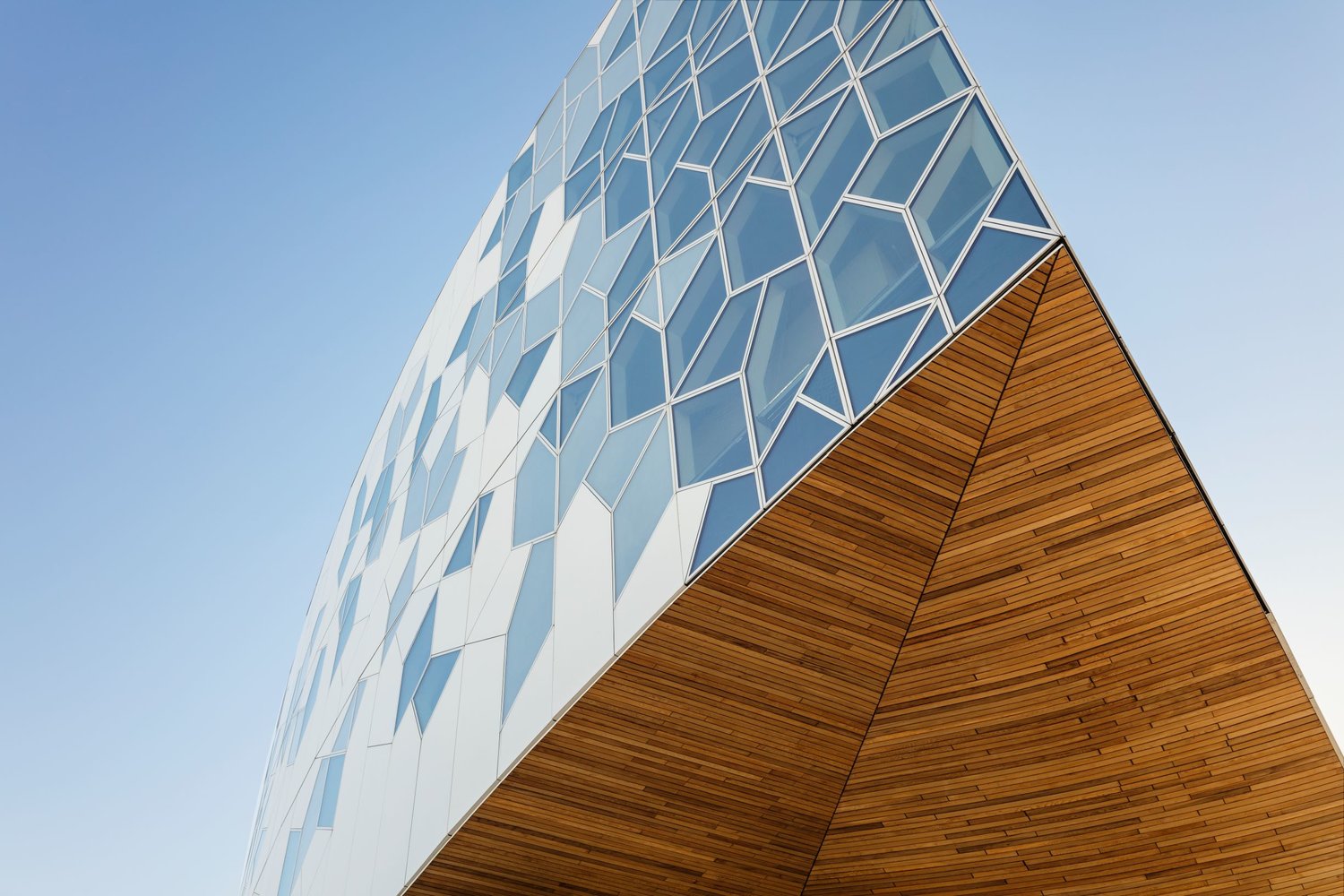
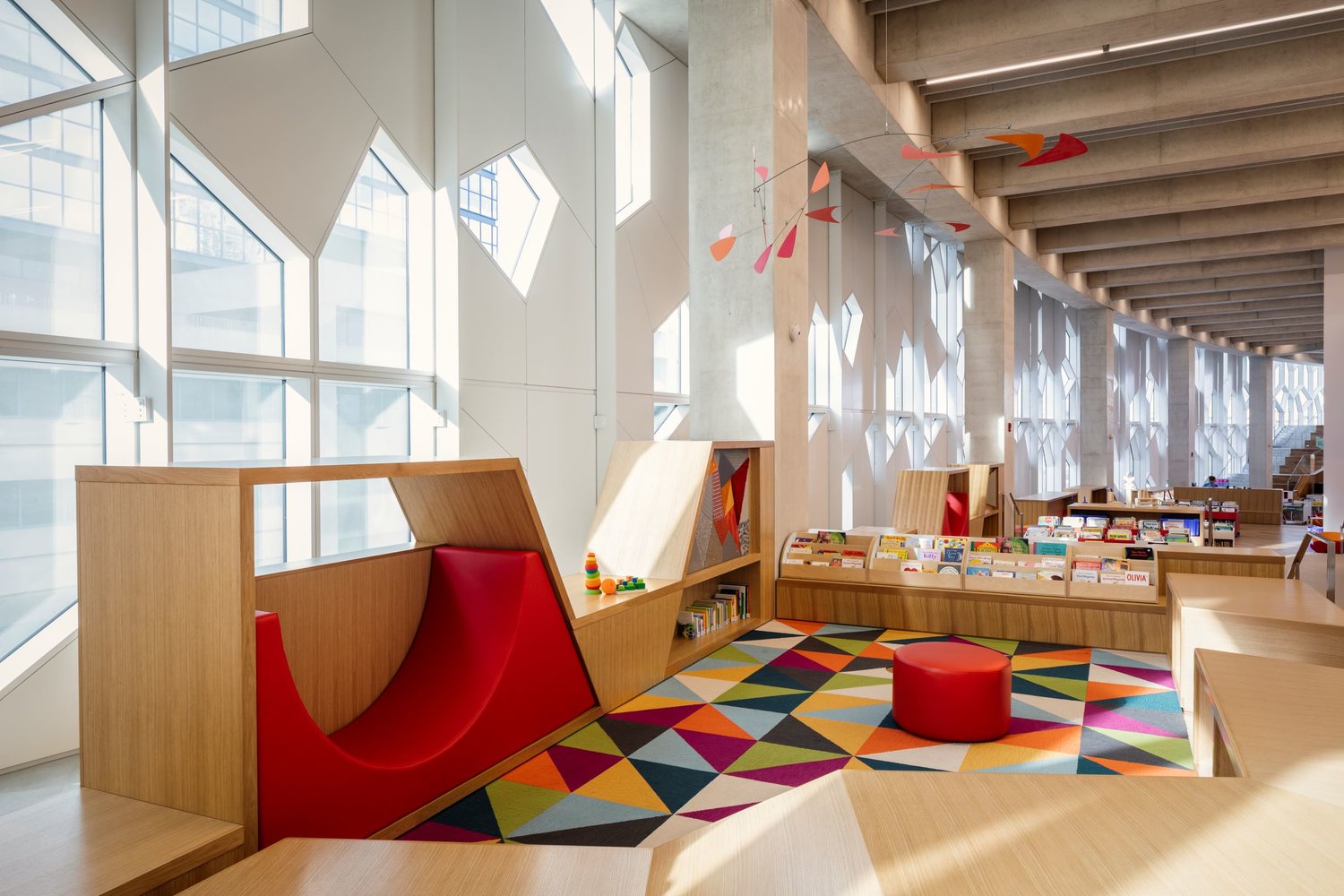
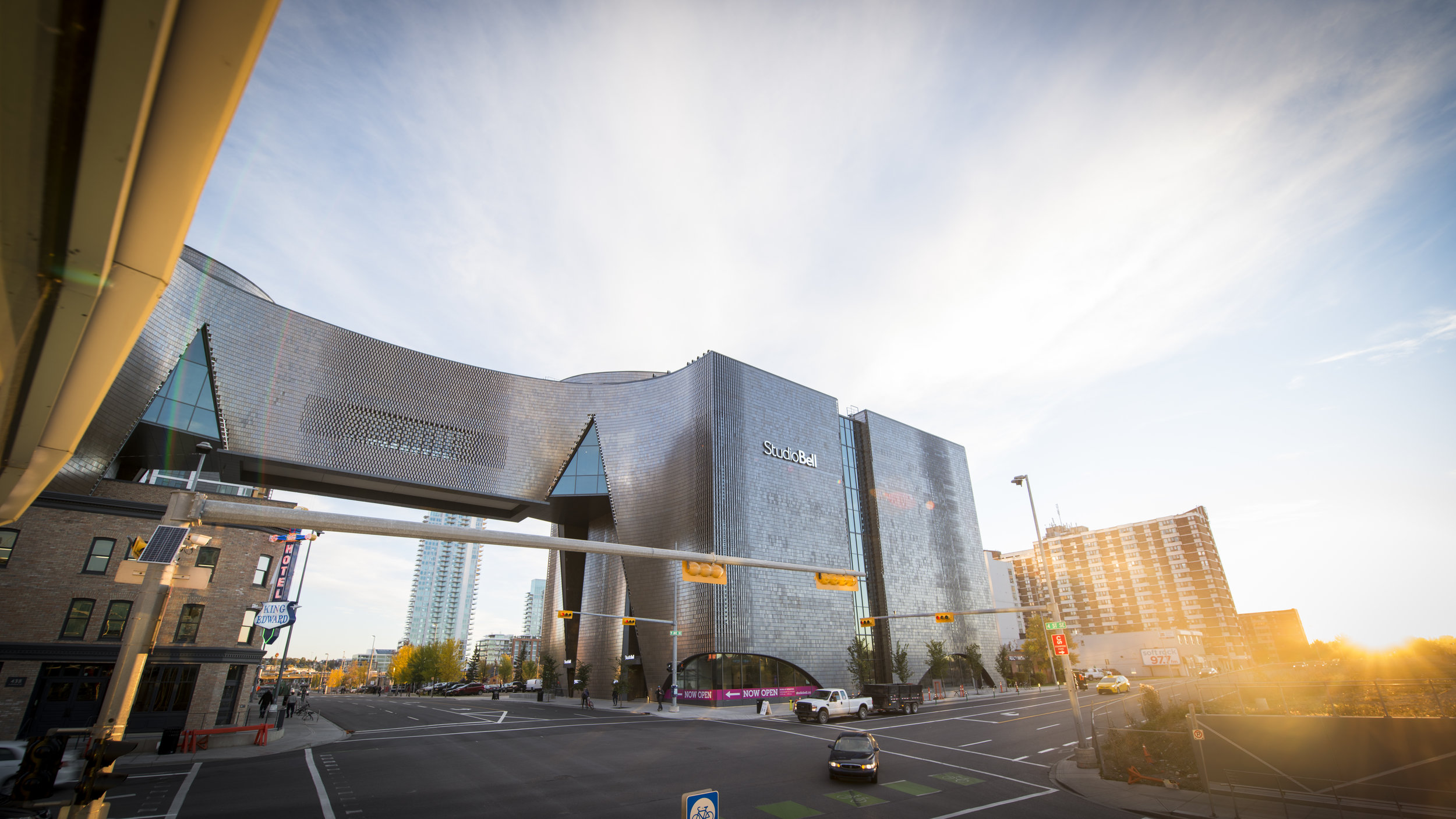
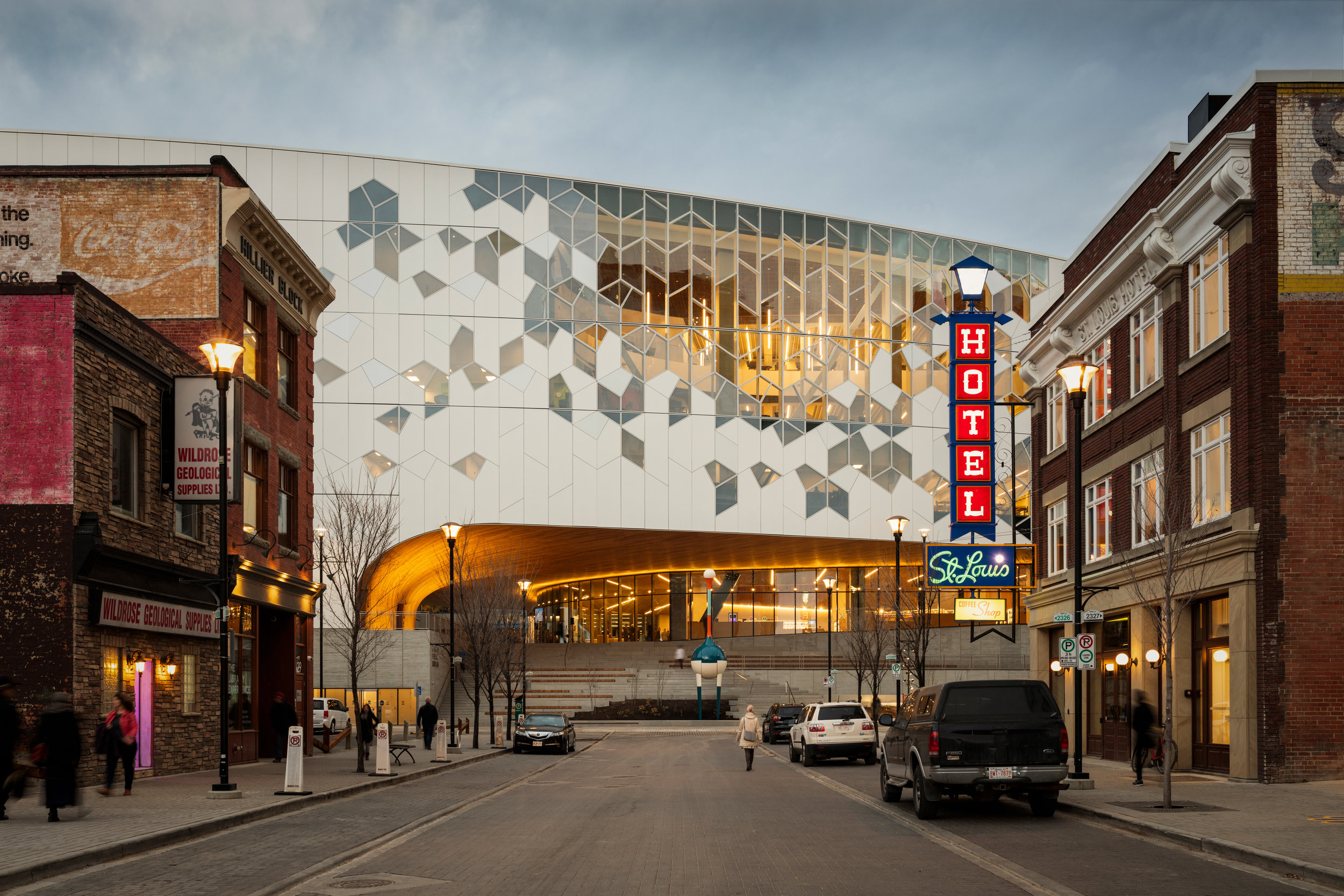
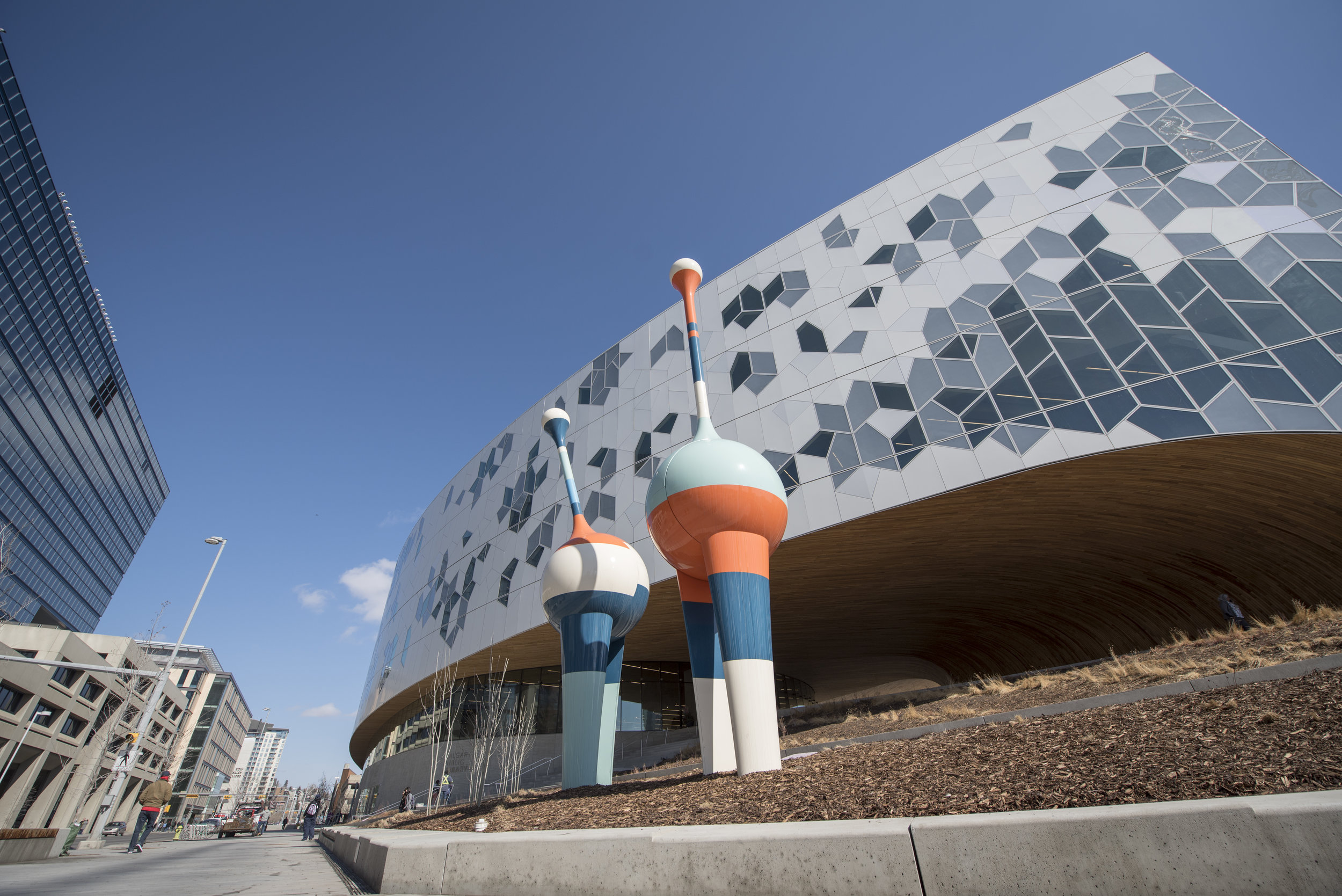
Two architectural marvels anchor East Village’s arts and culture scene, the Central Library and Studio Bell, Home of the National Music Centre. The buildings are as much a testament to art and culture as the works that are housed and created inside.
Not only is the Central Library a sight to see, its programming is stacked with good stuff. There’s author readings, lecture series, book clubs, children’s storytimes and a ton of other noteworthy events.

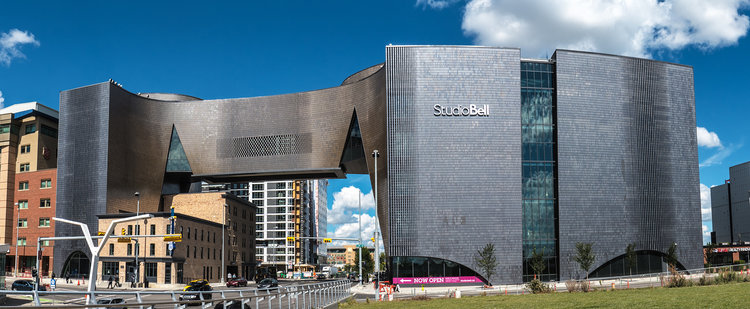
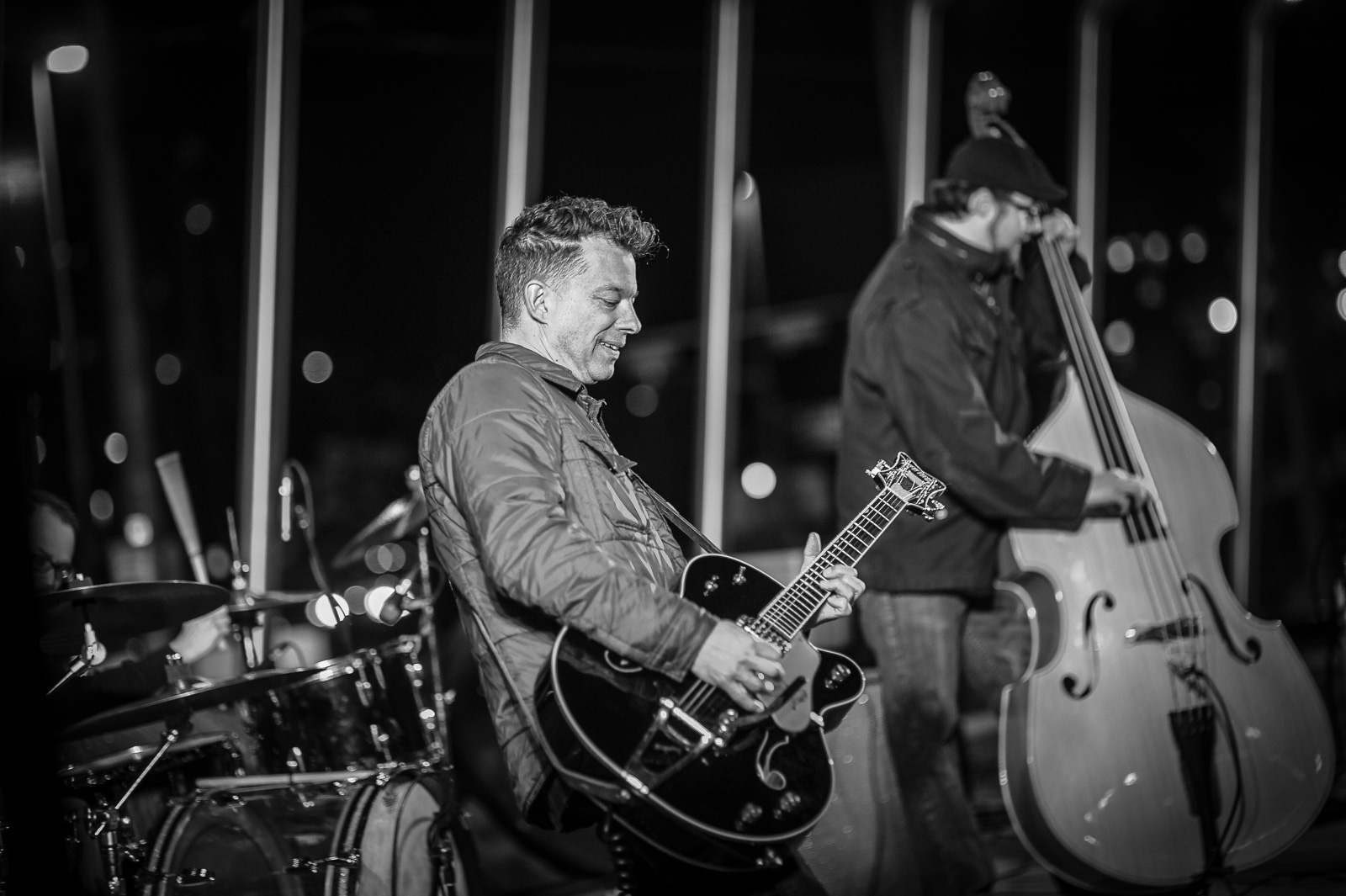
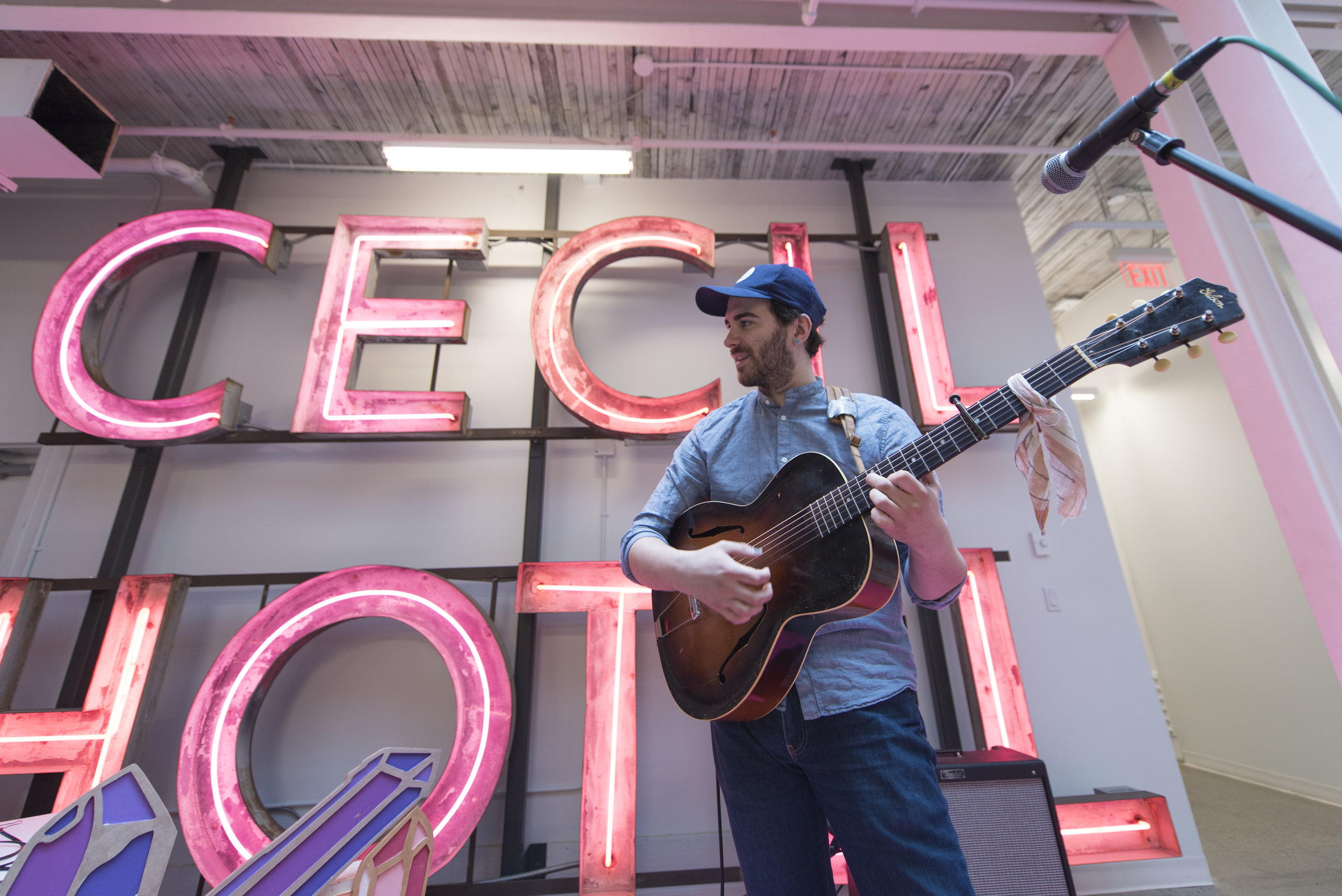
Studio Bell has even more going on. Concerts are just part of it. There’s programs like an after-school jam club for kids to showcase their musical talents, as well as an artist-in-residence program dedicated to providing artists with uninterrupted use of the the facility to nurture creativity and innovation.
![StandingInPerformanceHallLookingUp_crBrandonWallis-medium[1].jpg](https://images.squarespace-cdn.com/content/v1/5cdb13bf2727be3979909e4e/1566505921715-YTD4PG72S0C8A4QB94KK/StandingInPerformanceHallLookingUp_crBrandonWallis-medium%5B1%5D.jpg)
![LookingFromSecondFloorAcrossLobbyAtPerformanceHall_crBRandonWallis_pinklogo-medium[1].jpg](https://images.squarespace-cdn.com/content/v1/5cdb13bf2727be3979909e4e/1566505579356-EWE98WMJQ8RWC2O07Q7C/LookingFromSecondFloorAcrossLobbyAtPerformanceHall_crBRandonWallis_pinklogo-medium%5B1%5D.jpg)
Public Art

Public art is central to East Village’s character. Murals, sculptures and digital art by international and local artists give life to our streets and public spaces. Both permanent and temporary installations adorn abutments and underpasses, walls, plazas and islands. Masters and Instagrammers can be inspired by creative touches to be found around every corner.
Heritage Buildings
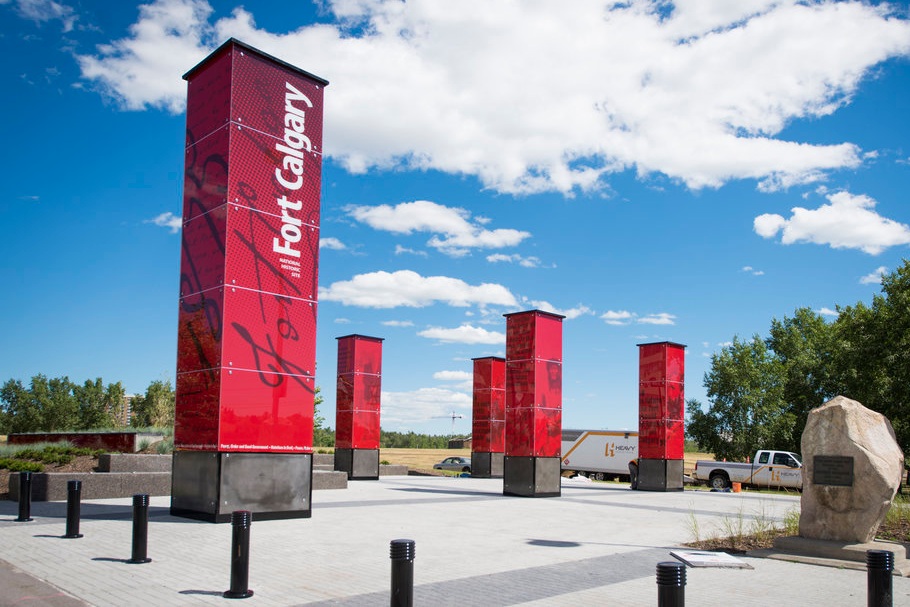
As Calgary’s oldest neighbourhood, it’s no surprise East Village has some amazing heritage buildings. And we’re not even counting The Confluence Historic Site & Parkland (formerly Fort Calgary) here, an entity unto itself. Built before the turn of the previous century, these longstanding icons contain colourful histories we’re committed to preserving.
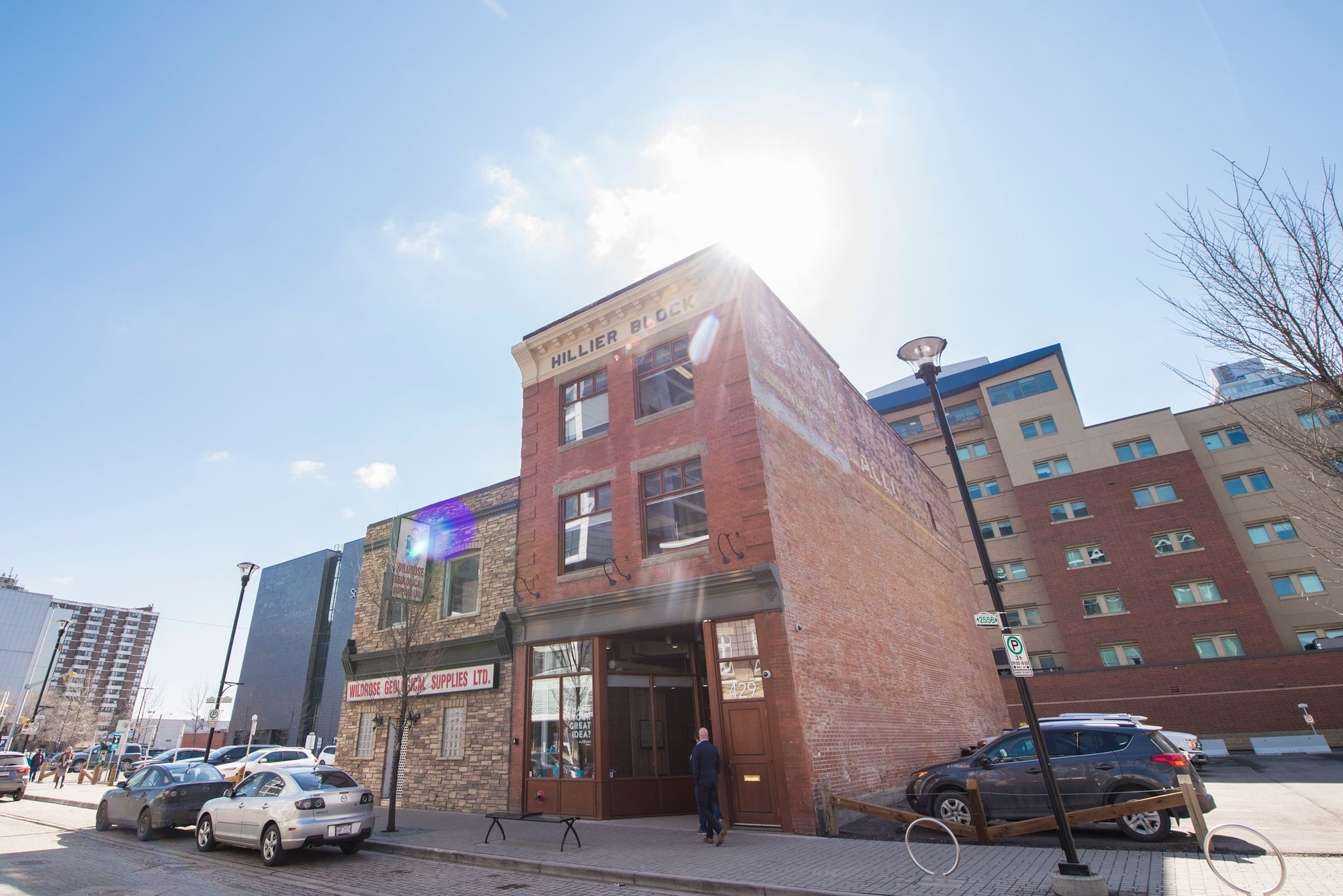
Built in 1910, the Hillier Block housed residential suites on the upper floors, which were much needed during the massive wave of migration to western Canada in the early 20th century. After falling into disrepair, the Hillier Block was meticulously restored.
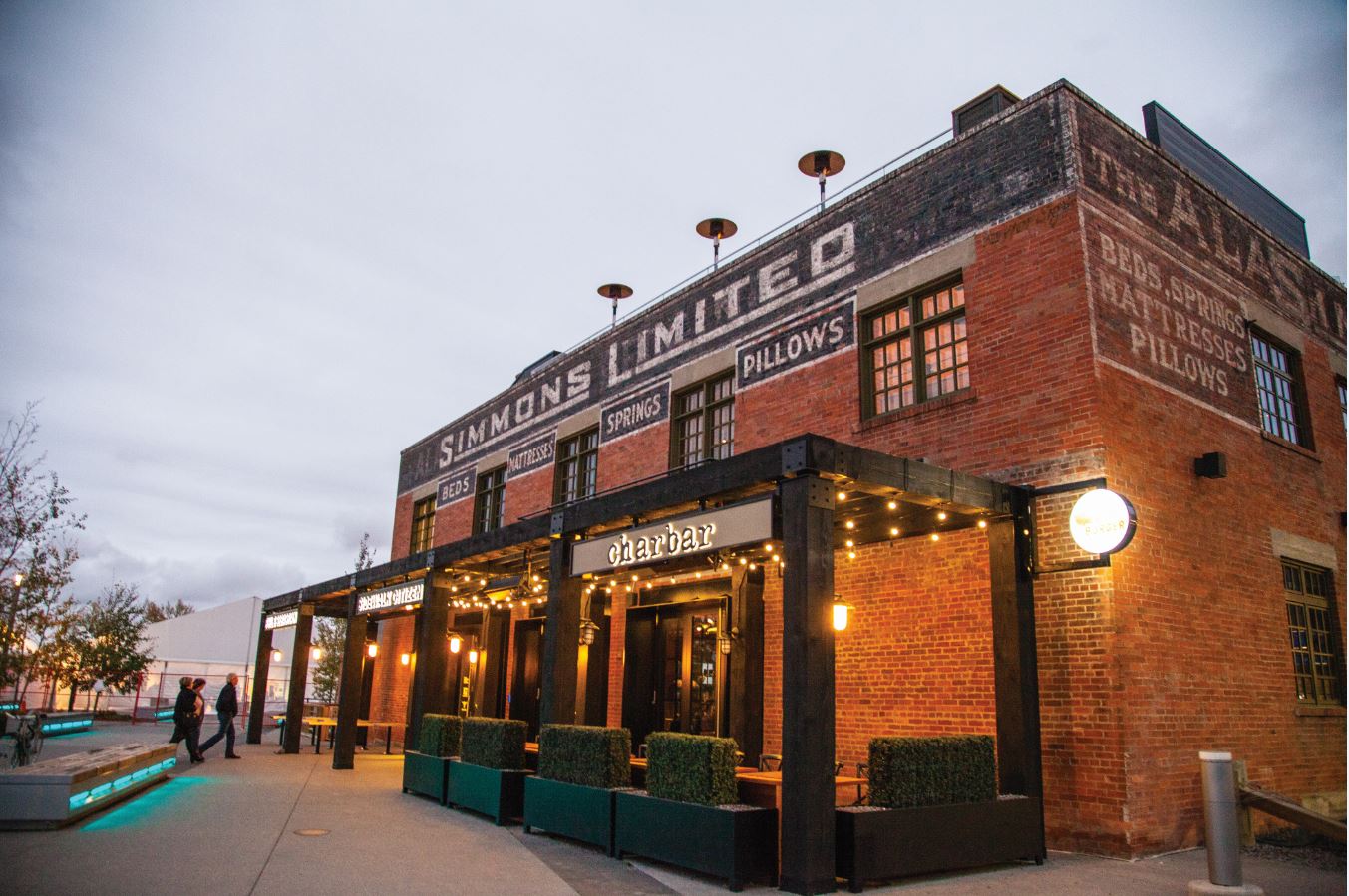
The Simmons Building is the historic heart of East Village. Once a symbol of the area’s industrial past, this former mattress factory is now a place for food and drink: Charbar, Phil & Sebastian Coffee Roasters and Sidewalk Citizen Bakery are places where everyone’s hoping to find a table.
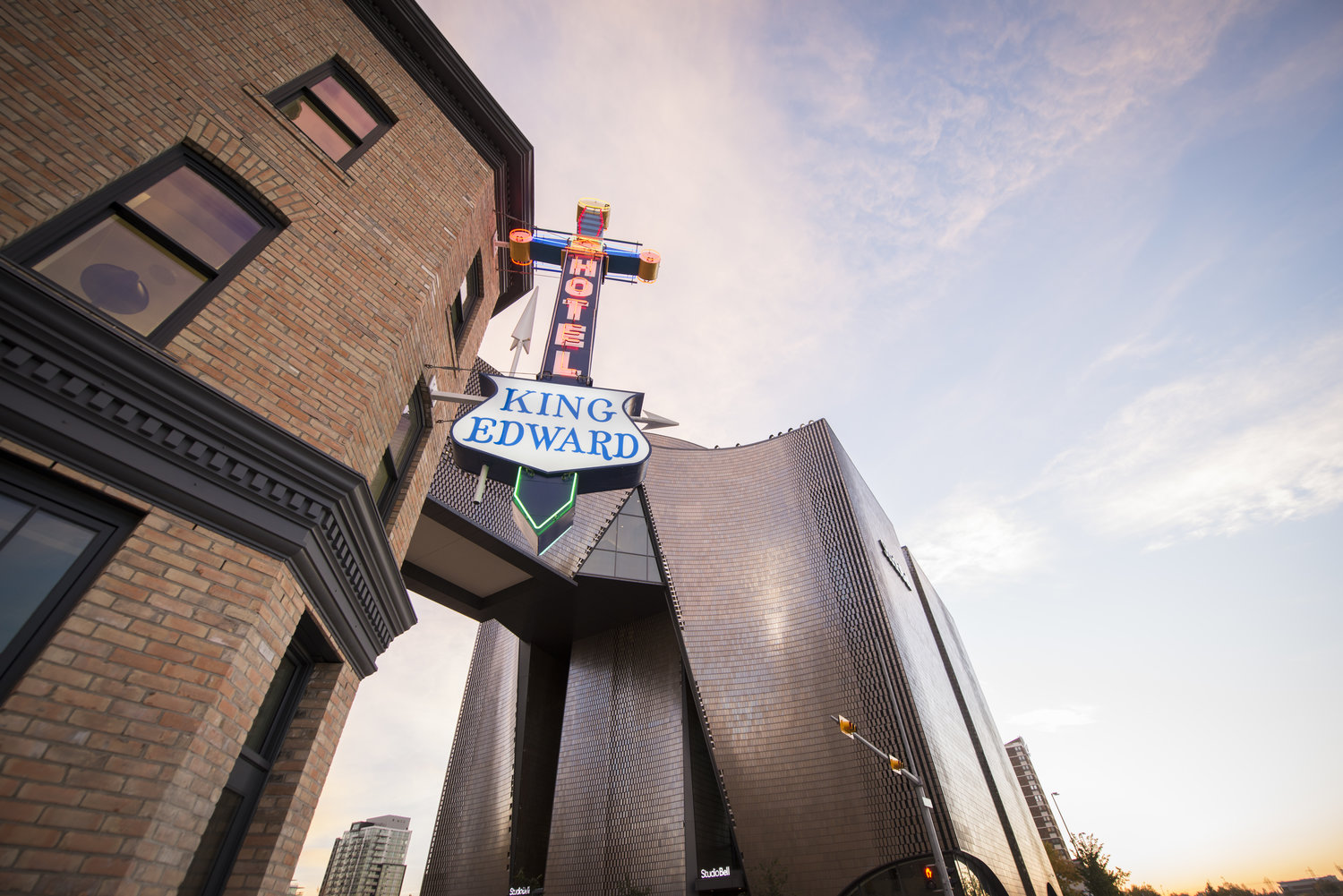
Once the oldest continually operating hotel in Calgary, the King Edward Hotel was also a musical landmark as “Home of the Blues.” Condemned in 2004 and dismantled in 2013, the King Eddy was rebuilt, brick by brick, as the cornerstone of Studio Bell, home of the National Music Centre.
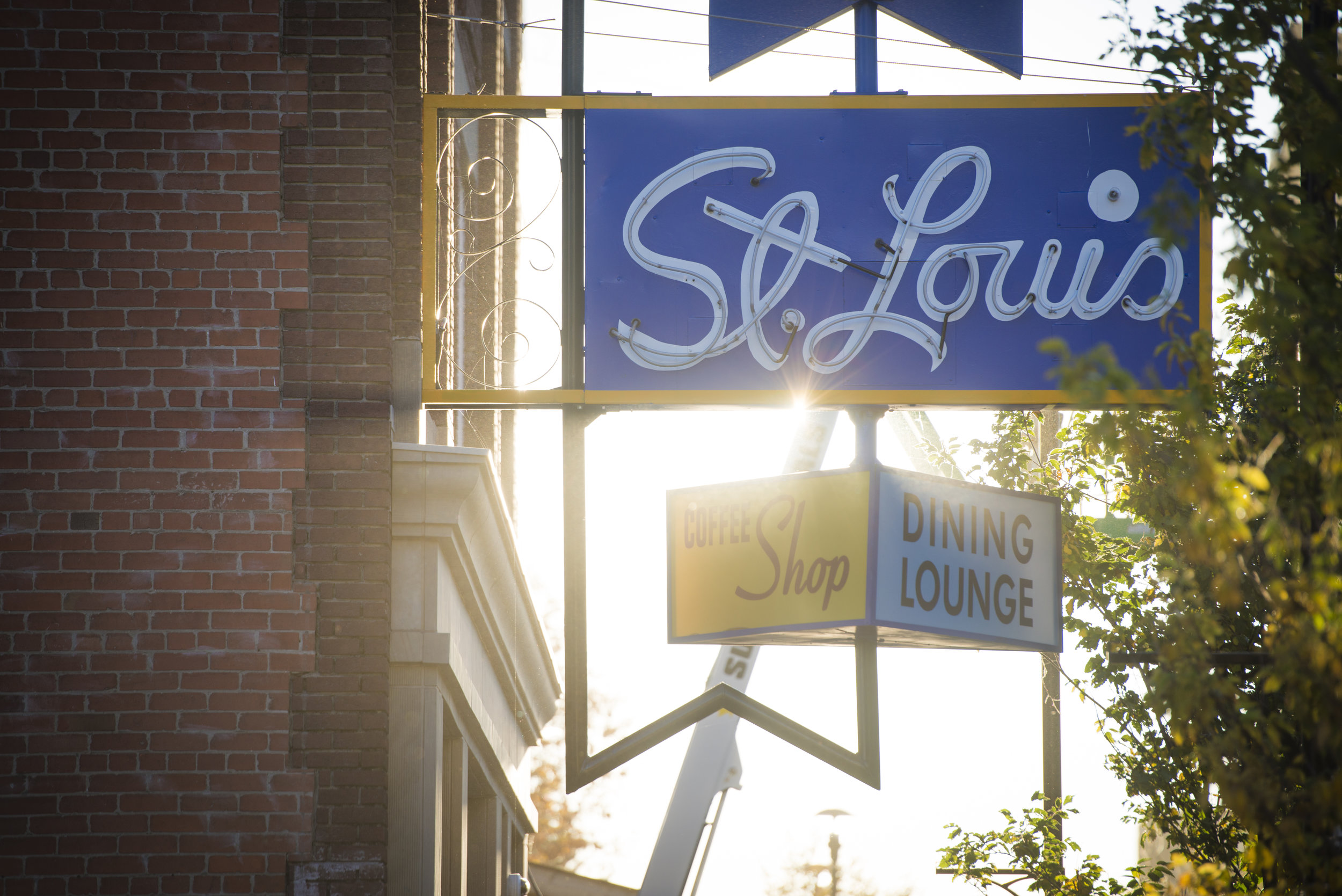
One of Calgary’s oldest hotels, the St. Louis retains elements of its neoclassical design. Once the favourite watering hole of former Calgary mayor Ralph Klein, the St. Louis Hotel has been restored as a modern mixed-use commercial space, ready for new tenants to usher in the next chapter of life for this iconic building.

getting around

things to do
in EV

about east village