master plan

The idea of regenerating East Village as an urban village involved the city, planners and the public beginning in 2005.

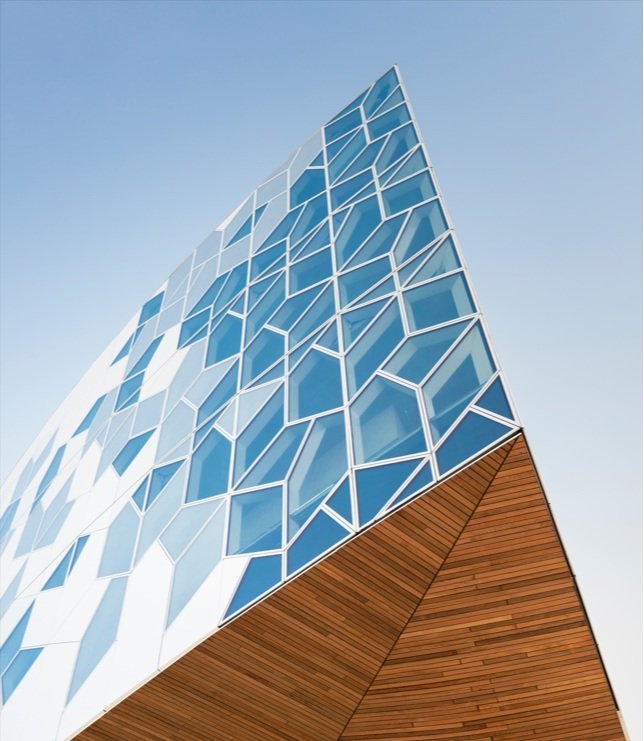
Envisioning East Village as an urban village gives the city of Calgary a neighbourhood with a new kind of scale – the urban midrise, which complements the city’s familiar downtown highrises and the suburbs’ large single-family homes. It’s a new kind of built environment for a different kind of lifestyle: the human-scaled street level will always be lively and engage passers-by; architecture will be varied but coherent, punctuated by signature buildings such as the National Music Centre, which is being designed by the excellent Allied Architecture of Portland.

East Village is master planned, the result of an international competition to appoint an urban design firm that would advise on the redevelopment. The plan provides the framework for the development of EV into a vibrant mixed-use creative city quarter – a ‘high quality’ opportunity for residents, business owners, property owners and developers alike. CMLC’s board unanimously awarded the project to British firm Broadway Malyan for its innovative and contemporary approach to the area’s regeneration.


Design Principles

The East Village master plan is guided by eight key urban design principles. They reflect city development policy, the aspirations of master developer Calgary Municipal Land Corporation, and the Area Redevelopment Plan that embraces the entire Rivers’ District.

East Village will have a balanced mix of uses and demographics distributed in distinctive clusters with access to public transport and local employment, creating a self-sustaining, mixed-use urban village with a strong sense of community.

∗ Residential areas will be of varying densities, size, type and affordability in response to the demands of a diverse population.

∗ City-wide leisure and cultural destinations will draw people into East Village from the wider urban catchment. These could include museums, galleries or music venues as well as a mix of outdoor spaces for performance activities.

∗ Community services, including strategically-positioned shops, health care, and civic facilities will be woven into a framework of public spaces.


Take a Tour!

Get an eyeful of what East Village will begin to look like in the future.

This content requires Flash.

Highlights

The masterplan focuses on placemaking and is shaped around the idea of livability, both key ingredients in successful contemporary urban neighbourhoods. These imply:

  • Sustainable community development: promoting environmental, economic and social responsibility as the future urban model
  • Mitigated traffic impact and convenient access to high quality public transport.
  • Connection with other city neighbourhoods to encourage access. The new 4th Street Underpass, RiverWalk, and a redesigned St. Patrick’s Island pedestrian bridge provide improved connectivity to Bridgeland, Inglewood and other inner city neighbourhoods
  • A range of clearly defined streetscapes and open public spaces varying in character and function to encourage walkability and exchanges with neighbours.
  • A rich mix of uses, building types, and potential tenure arrangements,
  • Strong built identity with an architectural attitude,
  • Density interwoven with public uses to provide an animated ground floor,
  • Creativity and tolerance to promote compact urban living, coexistence and diverse cultural activity,
  • Scale-built form that respects the local geography; in East Village, this means privileging the mid-rise
  • Land use flexibility to encourage development in changing market conditions,
  • Staged implementation, building identity and value at each step.