where the future comes from

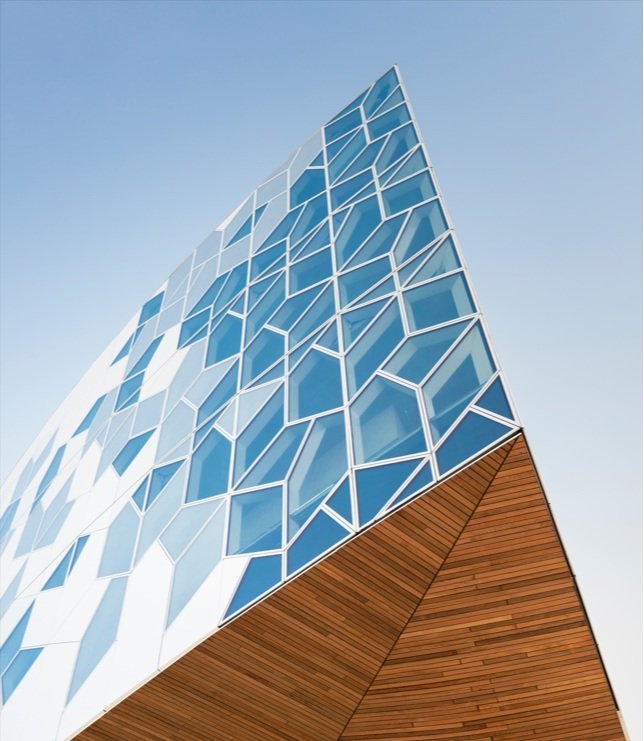
The redevelopment of East Village will bring back to the neighbourhood many of the activities, energy and diversity it had a century ago.


From Boom to Decline to Rebirth

By the start of Calgary’s pre-First World War boom, around 1906, East Village was a bustling community with a mix of residential, commercial, service, institutional and industrial activity.

Over the years, blacksmith shops gave way to iron foundries, livery stables to service stations, single-family homes to apartments or “flophouses”. But business gradually moved west and residences sprawled out from the centre, and by 1941, the city medical officer of health declared EV part of “Skid Row”, the site of what is now politely called ‘undesirable activity’ but was then referred to in police blotters as bootlegging, prostitution and the like.

The fashion for urban renewal schemes in the 1960s resulted in widespread demolition and spelled the end of the old East Village. The vogue for ‘superblocks’ brought EV’s longstanding residential high rises for seniors, but funding for a larger plan was withdrawn in 1969 and the towers were left to languish.

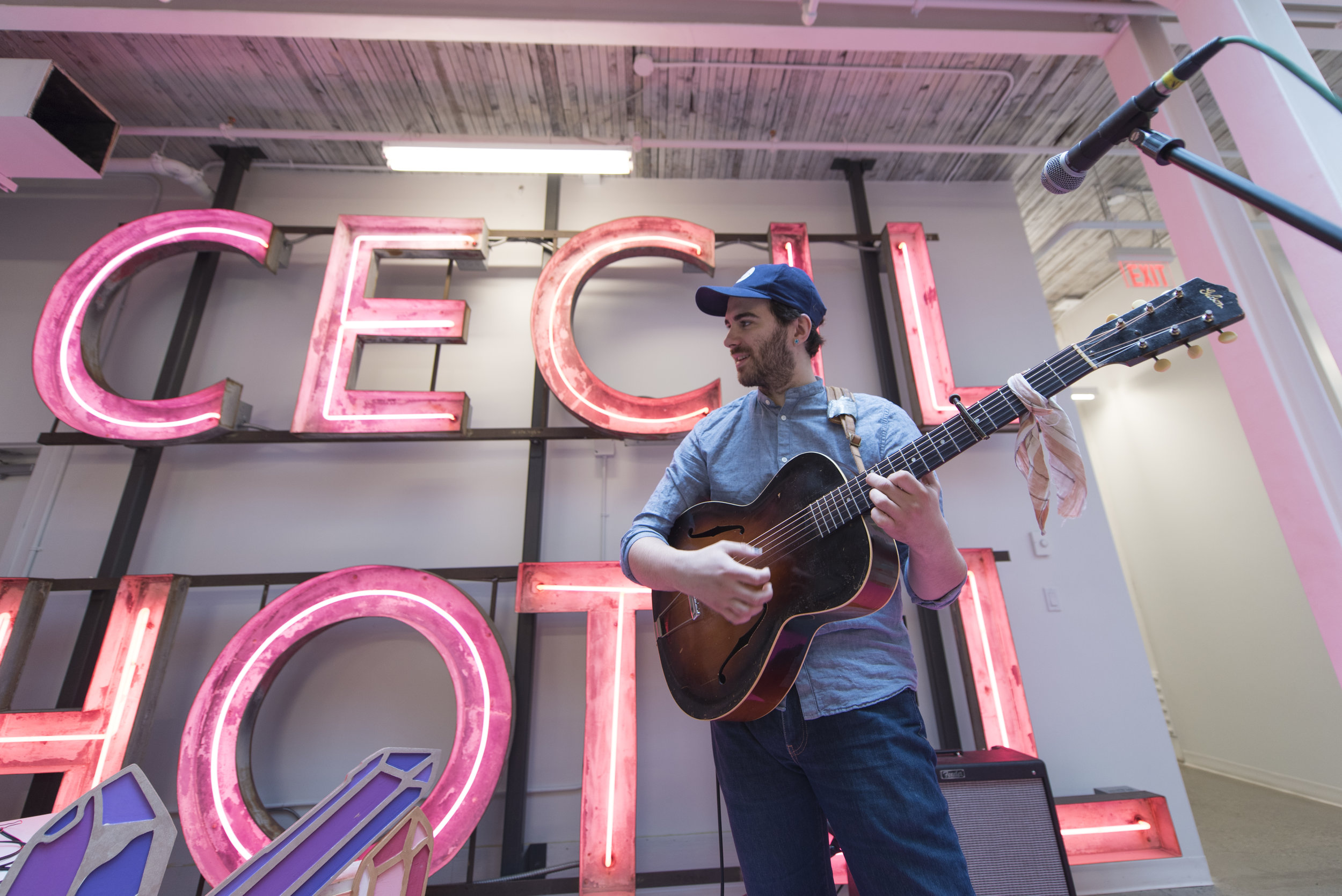
After years of neglect, progress in East Village has been rapid: $108 million in infrastructure improvements have gone into the ground since 2007, and construction is ongoing. RiverWalk, a pedestrian/bike/ path on the banks of the Bow River, welcomed its first visitors and celebrated the installation of its first public art works in late 2010; the Cantos foundation confirmed municipal, provincial and federal funding for the construction of a National Music Centre at the King Eddy, and since the introduction of the masterplan in the fall of 2009, two major new mixed-use residential projects of some 600 new condos each have been announced. In East Village, Calgary says hello to the future of urban living.

The Next Era

Area merchants took matters into their own hands circa 1971 when they formed the East Village Association and approached the city for improvements, including banners, planters, park benches and a Saturday street closure for a farmers’ market. They had the right idea, but not enough clout. Today, with the political will and sustainable funding in place, the next chapter in the history of East Village will be a happier one.

Research material graciously contributed by Harry Sanders; it was part of a Historical Resources Overview Report prepared by Lifeways of Canada for the City of Calgary in 2004.

Video: Revitalizing a Neighbourhood

See the passion and meet the people behind the rebirth of East Village.


Dateline Calgary

Flash is required to view this content.

Modern Calgary began in East Village, and through boom and bust, it has always been part of the action. Here’s a short history of East Village and the downtown to which it gave birth.